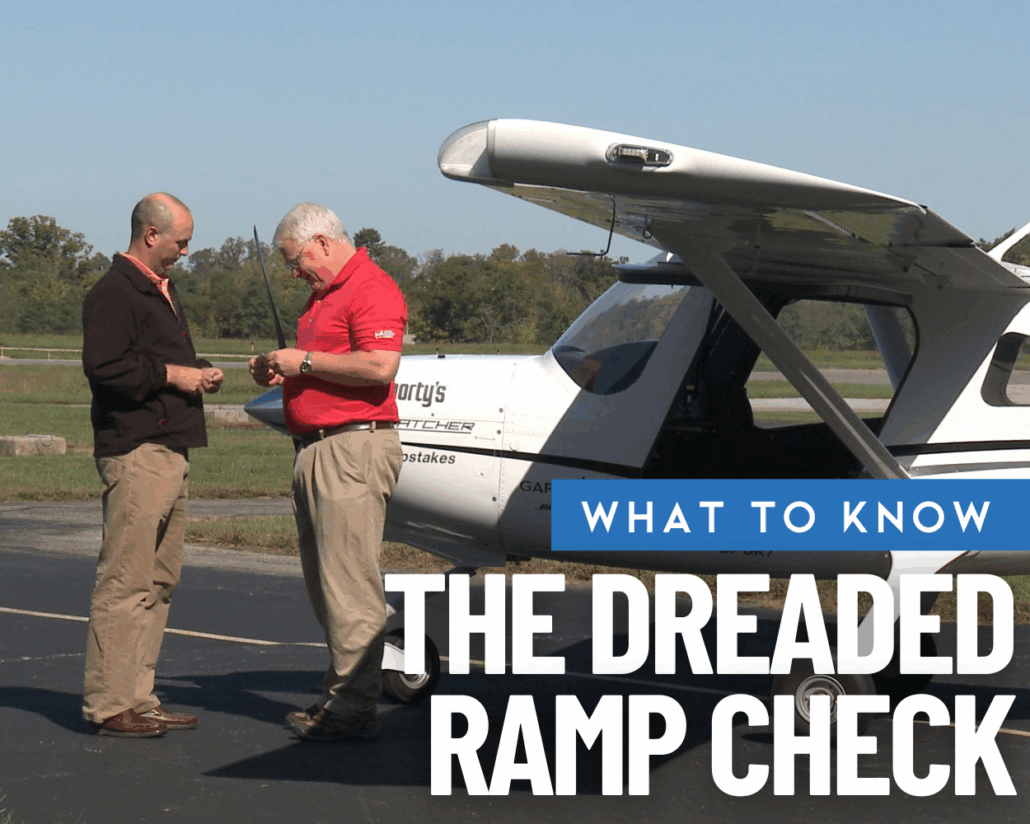
The FAA is Conducting a Ramp Check. Now What?
What to expect—and how to handle—a ramp inspection
You’ve just shut down, tied down, and are grabbing your flight bag when a neatly dressed individual flashes a badge and says, “Hi, I’m with the FAA.”
But before panic sets in, take a breath. Ramp inspections—yes, those dreaded “ramp checks”—are a normal part of the FAA’s safety oversight system. They’re not necessarily a sign that you’ve done anything wrong. Still, how you respond in the next few minutes can determine whether the encounter ends with a handshake or something that grounds you or your airplane.
Why Ramp Checks Happen
There are plenty of reasons an FAA inspector might approach you on the ramp. Some are perfectly benign, while others might trace back to something the inspector observed in the pattern or heard on frequency. Common triggers include:
-
An observed or reported unsafe operation, on the ground or in the air
-
A visible aircraft discrepancy, like a missing inspection plate or broken light
-
Routine surveillance—yes, the FAA does random spot checks now and then
-
A report, complaint, or “reputation” that prompts a closer look
So while the thought of a ramp inspection can feel personal, it usually isn’t. Most are simply the result of routine oversight. Think of it as the FAA’s version of “trust, but verify.”
Quick Poll
What the FAA Can (and Can’t) Do
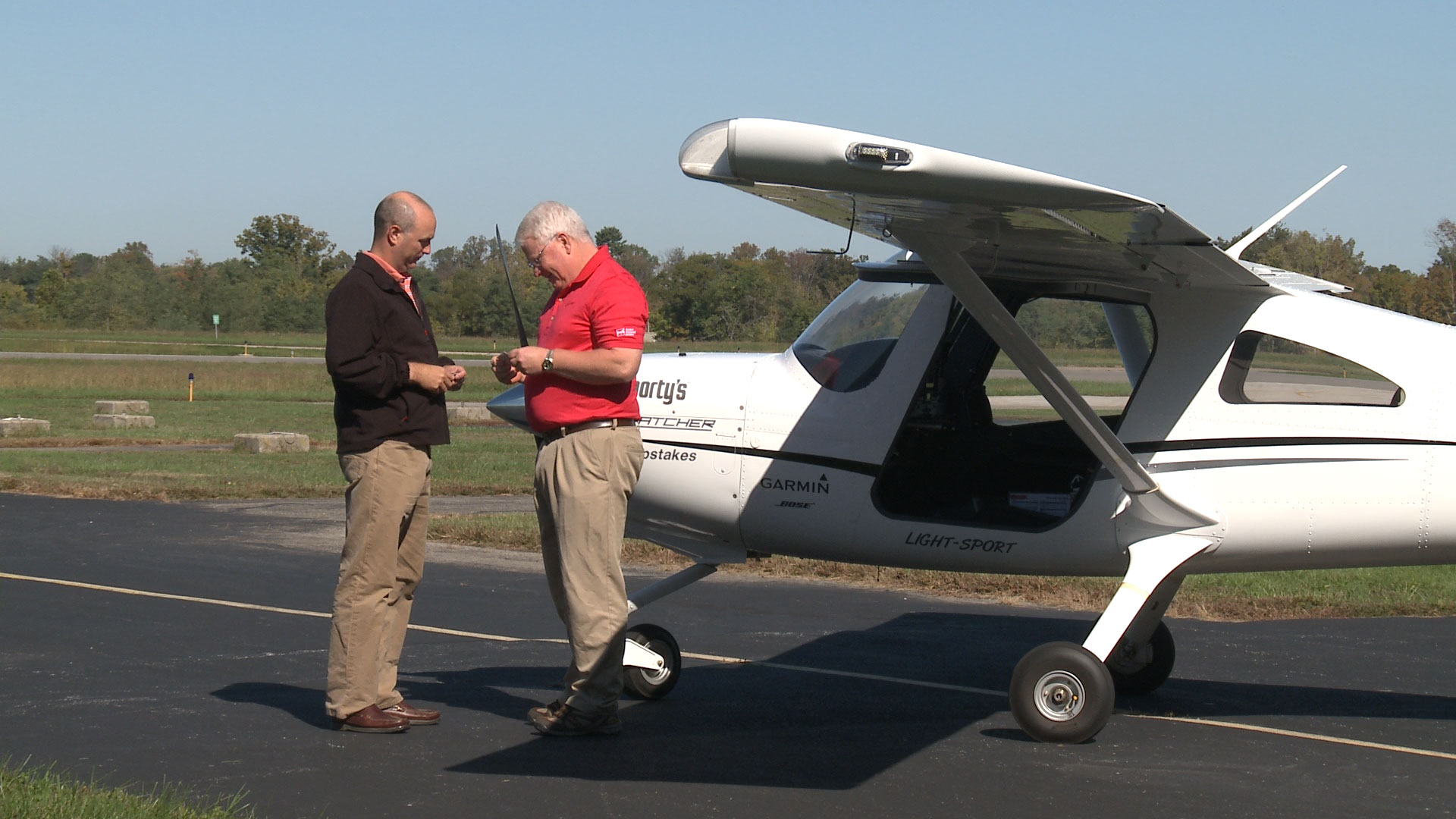
Contrary to hangar-flying folklore, the Feds can’t just climb into your cockpit or start opening inspection panels. They can, however, observe your aircraft from the ramp, peek through the windows, and request to see your required pilot documents.
You’ll almost always be greeted with credentials first. From there, expect to be asked for:
-
Your pilot certificate(s)
-
A government-issued photo ID
-
Your medical certificate (or BasicMed documentation)
If you’re a student, sport, or recreational pilot, you may need to show a logbook with applicable endorsements. Otherwise, you’re not required to carry it.
Here’s one rule to live by: never lie. Saying “I don’t have it” when you actually do can turn a routine inspection into a legal headache.
Stay Ready
The best way to “pass” a ramp check is to make sure you’d be ready for one at any time. That means keeping both your aircraft and your paperwork in order. Here are a few habits that pay off:
-
Review your aircraft documents regularly for accuracy and expiration dates
-
Keep your logbook and currency entries up to date
-
Understand what’s actually required for the operation you’re conducting
-
Avoid any behavior that might draw attention (radio etiquette matters)
If you want to know exactly how inspectors are trained to perform ramp checks, consult FAA Order 8900.1, Volume 6, Chapter 1, Section 4. That’s the playbook for a ramp check.
Your Legal Co-Pilot
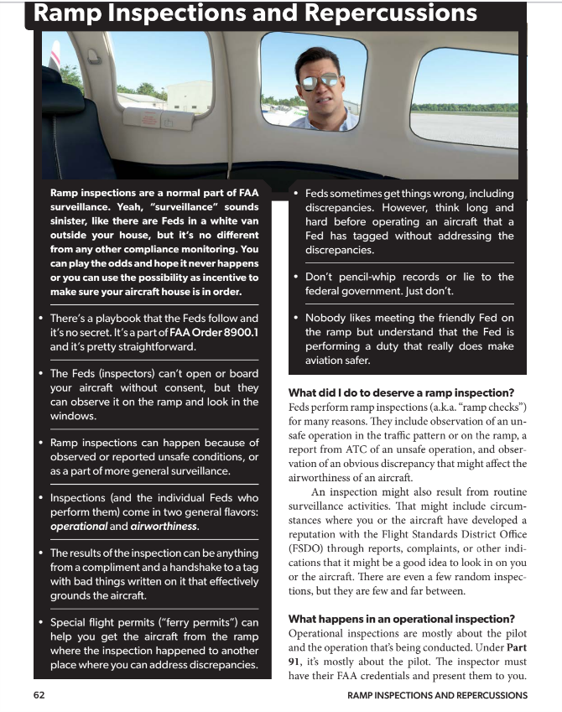 Even experienced pilots can feel uneasy when facing the FAA. That’s why Sporty’s offers the Pilot’s Legal Guide from PilotWorkshops—a comprehensive resource that demystifies the legal side of flying, from ramp checks to enforcement actions.
Available as a print and digital publication as well as a professionally narrated audiobook, it’s written in plain language by aviation attorneys and instructors who know how to turn legalese into practical advice.
-
Read a sample of Ramp Inspections and Repercussions from the Pilot’s Legal Guide.
-
Listen to a sample of the Pilot’s Legal Guide for ramp inspections.
So the next time someone flashes a badge on the ramp, you’ll know exactly what to expect—and what your rights and responsibilities are.
Learn more or get your copy of the Pilot’s Legal Guide here.

- Test Your Knowledge: Sharing Flight Expenses with Passengers - March 9, 2026
- RAA Scholarship Applications Now Open for 2026 - March 6, 2026
- How Do Your FAA Written Test Scores Stack Up in 2026? - February 27, 2026
Now I know how Ralphy felt after decoding Little Orphan Annie’s secret message.
Great comment. Spot on.
Interesting first picture. Why is the FAA conducting on a ramp check on the pilot/plane in the middle of a taxiway? Even more interesting – why did the pilot stop his airplane and get out while in the taxiway? Was the FAA guy standing in the middle of the taxiway waving his arms? Was he chasing the plane down? My last question – in the second picture, is the pilot fleeing an FAA inspector so he doesn’t get ramp checked? OK seriously, decent refresher about the possiblilty of ramp checks. I think the unspoken message is to keep yourself legal at all times so that you don’t have to worry about a ramp check. In fact it could becoem bragging rights: “Yeah, I was ramp checked. He didn’t find a dang thing. When he was done, I told that squirt to go bother somebody else and where he could strategically place his clipboard.”